|
| https://goo.gl/images/fq2GRY |
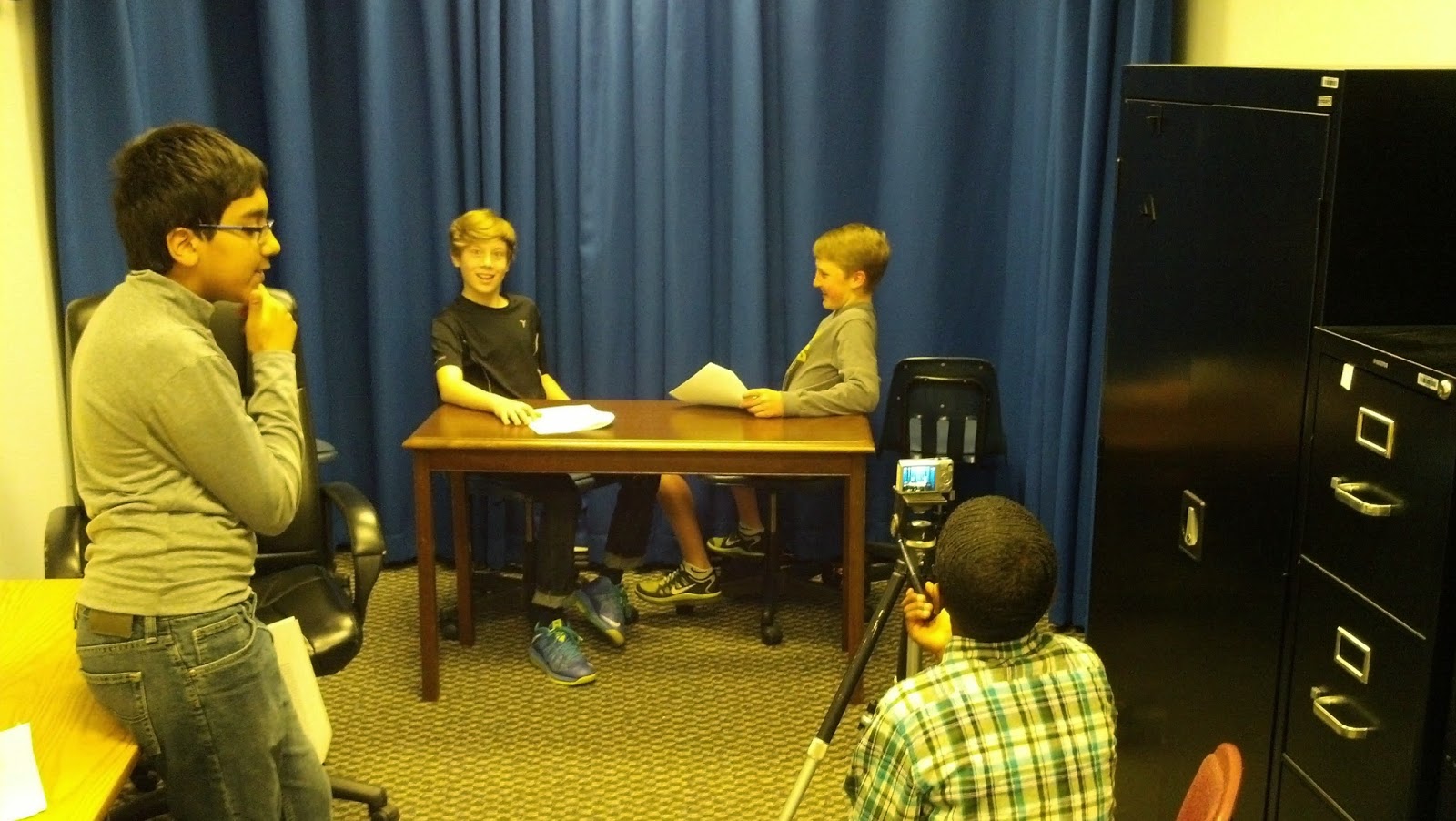
Student Created Rubrics. Let's face it. Our students are huge consumers of video. They know what makes a good video and what makes a great video. Make sure to take some time to have students brainstorm what makes a quality learning video. Ask students to work in pairs to identify the characteristics of videos that are informative while fun to watch. Use their thoughts and ideas to build your rubric. Of course, you likely will have to add some components that students might not consider but having their buy-in on what the final products should look like will pay off in the long run. As you do more and more video products, be sure to save the quality examples. Show these to students and have them evaluate what makes them good. You will see an exponential increase in the quality of what students produce. They will feel much more connected to the project when they have helped build the rubric.
Student Reflection. Here's the great news, you've already laid the ground work for this one! Remember that student-built rubric you made with the students? Now, they can look at the rubric and reflect on what they did. In addition to checklist types of reflection questions (did you do this? did you have this?) be sure to include questions about what they learned from the project and, most importantly, what they would do differently next time. I always find that I learn as much from what students put in their project reflections as I do actually viewing the project itself. This also gives students another opportunity to share their view of the project. As educators we need to keep our focus on how students are experiencing the learning opportunities we provide in our classrooms.
 |
| https://goo.gl/images/ZbSY9W |
I'm sure it is very intentional that the first ISTE Standard for Students is Empowered Learner. The Empowered Learner is one that "takes an active role in choosing, achieving and demonstrating competency in their learning goals, informed by the learning sciences."* Keeping this in the forefront of our minds when planning video creation lessons will ensure that students see themselves as part of the process, not something the process happens to.
*2016 ISTE Standards for Students, ©2016, ISTE® (International Society for Technology in Education), iste.org. All rights reserved.